Table of Contents
Introduction
Transportation is the vital lifeline of any firm when it comes to commerce. The importance of the transportation industry today cannot be understated in the context of advancing Dubai as a global commercial hub; it is crucial to turn Dubai into an international center, whether within the country or abroad, by land, air, or sea. This work is substantially aided by the remarkable infrastructure that is already in place, which offers many chances. The potential for expansion is enormous when considering economic development. In addition to being a major hub for trade in the Middle East, Dubai is emerging as a major global economic force, drawing in some 30,000 new entrepreneurs each year. This rapid expansion demonstrates how important transportation is becoming as a component, with a promising future filled with aspirations and ambitions.
In terms of mobility, both commercial and public transit offer robust and constantly changing alternatives. It’s been said that effective transportation systems are essential to a prosperous economy. The UAE government is doing everything it can to lead by example, as demonstrated by Jebel Ali Port, in order to develop Dubai South’s and Dubai Logistics City’s transportation sectors.
Dubai’s Transport Sector: A Landscape of Opportunity
Dubai’s strategic geographic location, coupled with its vigorous infrastructure and pro-business environment, creates a fertile ground for transport businesses.
- Strategic Hub: Situated at the crossroads of East and West, Dubai serves as a crucial link connecting diverse markets. This strategic advantage facilitates the seamless flow of goods and people, making it an ideal location for transport and logistics operations.
- World-Class Infrastructure: Dubai’s commitment to infrastructure development is evident in its extensive network of highways, including the iconic Sheikh Zayed Road. Dubai International Airport (DXB), a global aviation hub, connects the city to destinations worldwide. Jebel Ali Port, a world-leading container port, plays a pivotal role in global supply chains. The modern Dubai Metro system provides an efficient and sustainable mode of public transport.
- Pro-Business Environment: The UAE government actively supports the growth of the transport sector through strategic initiatives and significant investments. Projects like Dubai South and Dubai Logistics City offer dedicated spaces and specialized facilities for transport and logistics companies, further enhancing the sector’s attractiveness.
- Economic Growth Driver: Dubai’s diversified and rapidly expanding economy fuels the demand for efficient and reliable transport services. The continuous influx of businesses and residents creates a consistent need for various transport solutions presenting an excellent opportunity for entrepreneurs.
Steps to get Transport Business License in Dubai
Establishing a successful transport business in Dubai requires careful planning and adherence to specific regulations. LFL Group is here to simplify this process for you.
Phase 1: Defining Your Business and Choosing the Right Legal Structure
- Defining Your Business Niche: Clearly defining the parameters of your transport company is the first stage. Will you concentrate on passenger or freight transportation, speciality cargo (such as hazardous chemicals or refrigerated commodities), or a mix of these? You can ascertain the required licenses, permits, and vehicle requirements by identifying your niche. Think about things like your target market (B2b or B2C), your operational region (local, regional, or global), and the kind of goods or services you want to carry.
- Choose the Appropriate Legal Structure: Selecting the right legal structure is a fundamental decision with implications for ownership, liability, and taxation. The primary options in Dubai are:
- Mainland Company: This is the most common and often recommended structure for transport businesses operating within the UAE. It allows you to conduct business anywhere in the country and directly engage with the local market. However, a mainland company requires a local sponsor (a UAE national) who holds 51% of the company shares.
- Free Zone Company: While offering 100% foreign ownership, free zone companies are typically limited to trading within their designated free zone or internationally. This structure is generally less suitable for transport businesses that require direct access to the broader UAE market.
- Representative Office: A representative office is a branch of a foreign company primarily intended for marketing and promoting the parent company’s services. It cannot conduct commercial activities directly, making it unsuitable for most transport businesses.
For the majority of transport ventures targeting operations within the UAE, the mainland company structure is the most practical and advantageous choice. LFL Group can assist you in navigating the intricacies of each structure and help you make the best decision for your business.
Phase 2: Business Registration and Licensing – The Foundation of Your Operation
3. Getting Your Company Registered: There are multiple steps involved in registering a mainland company:
- Reserve Your Trade Name: Select a unique and appropriate trade name that complies with UAE naming conventions. The name should be distinctive, avoid offensive or religious connotations, and not already be in use. Reserve your chosen name through the Department of Economic Development (DED).
- Obtain Initial Approval: Secure initial approval from the DED for your intended business activity. This step may necessitate approvals from other relevant authorities, such as the Roads and Transport Authority (RTA), particularly for land transport operations.
- Draft and Notarize the Memorandum of Association (MoA): The MoA is a critical legal document that outlines your company’s structure, ownership, objectives, and operational guidelines. It must be drafted meticulously and notarized by a legal professional.
- Secure Office Space: Lease an office space that meets the DED’s requirements. The size and location of the office will depend on the scale and nature of your business operations.
- Apply for Business Licenses and Permits: This is a crucial step. You’ll need to apply for a commercial license from the DED and, most importantly, a specialized transport company license from the RTA. The RTA license is mandatory for operating any transport business in Dubai and will be specific to the types of vehicles you operate and the services you provide.
- Process Visas for Your Team: Apply for the necessary visas for yourself and your employees. The number of visas you are eligible for will depend on the size and nature of your business. LFL Group can streamline this often complex process.
Phase 3: RTA Compliance and Operational Readiness
- Obtain RTA Approvals and Permits: The RTA plays a central regulatory role in Dubai’s transport sector. You will need to secure various approvals and permits from the RTA, including:
- Vehicle Registration: All vehicles used in your transport business must be registered with the RTA and meet stringent technical and safety standards.
- Driver Permits: All drivers operating commercial vehicles must obtain the required permits from the RTA. This typically involves passing driving tests and fulfilling specific eligibility criteria.
- Operating Permits: Depending on the specific transport services you offer (e.g., passenger transport, freight transport), you may need to obtain specialized operating permits from the RTA.
- Establish Bank Accounts and Secure Insurance: Open a corporate bank account in Dubai to manage your business finances. Obtain the necessary insurance coverage for your vehicles, employees, and cargo. This is a legal requirement and essential for protecting your business from potential risks.
- Ensure Ongoing Regulatory Compliance: Once your business is operational, maintaining compliance with all relevant regulations and laws is paramount. This includes adhering to traffic rules, maintaining vehicle safety standards, ensuring proper documentation, and undergoing regular inspections by the RTA and other relevant authorities.
Phase 4: Strategic Business Planning and Efficient Operations
- Develop a Robust Business Plan: A well-structured business plan is essential for securing funding and guiding your business’s growth. Include a detailed market analysis, realistic financial projections, and a clear strategy for achieving your business objectives.
- Build a Strong Industry Network: Networking is crucial for success in the competitive transport industry. Build strong relationships with suppliers, customers, and other industry players. Attend industry events and join relevant associations to expand your network and stay informed about the latest trends and regulatory updates.
- Implement Efficient Operations Management: Invest in a reliable fleet management system to track your vehicles, optimize routes, and manage maintenance schedules effectively. Employ qualified and experienced drivers and staff, and ensure they receive the necessary training.
- Stay Ahead of the Curve: The transport industry is constantly evolving. Stay informed about the latest regulations, technological advancements, and best practices to maintain a competitive edge.
Cost of Transport Business License in Dubai
Setting up a transport company in Dubai requires obtaining a valid business license, with costs varying based on the type of vehicles, business activities, operational requirements, and government regulations. Below is a general estimate of the costs involved.
Estimated Transport License Costs
- Light Vehicle Transportation License (for a company with three vehicles): AED 12,500 – AED 15,000
- Heavy Vehicle Transportation License (for a company with three vehicles): AED 12,500 – AED 15,000
- RTA Approval Fee: AED 3,500
Breakdown of Transport License Fees (AED)
| Fee Type | Cost (AED) |
|---|---|
| Initial Approval Fee | 120 |
| Trade Name Registration Fee | 620 |
| Tasheel Local Service Agent Fee | 350 |
| Tasheel Pre-Approval Fee | 345 |
| Transport License Fee | 12,500 |
| Foreign Trade Fee | 2,000 |
| Local Agent Fee | 6,000 |
| Total Estimated Cost | 21,935 |
Factors Affecting the Cost of a Transport License
The total cost of starting a transport company in Dubai depends on several factors, including:
- Type of License – Passenger, cargo, rental, or specialized transport
- Number of Vehicles – More vehicles may require additional approvals and fees
- Vehicle Type – Light vehicles, heavy trucks, refrigerated trucks, or luxury transport
- Business Activities – Domestic or international transport services
- Location – Mainland vs. Free Zone business setup
Note: The above figures are estimates and may vary based on business requirements. For an accurate cost assessment, consult LFL International Group, and our team will guide you through the process.
Benefits of Starting a Transport Business in Dubai
Dubai’s strategic location, world-class infrastructure, and business-friendly policies make it an ideal hub for transport and logistics businesses. Some key benefits include:
- Tax Advantages – Competitive corporate tax rates compared to major global business hubs
- Free Zone Benefits – Tax exemptions and 100% foreign ownership in certain zones
- Low Import Duties – Reduced costs on vehicle imports and spare parts
- Growing Economy & Infrastructure – Access to a rapidly expanding logistics market
- No Minimum Capital Requirement – Ease of entry into the market
- Government Support – Business-friendly policies and strong regulatory framework
- Unlimited Trading Locations – Mainland and Free Zone options for operations
- Flexible Visa Quotas – No restriction on the number of visas for employees
- Import & Export Opportunities – Seamless connectivity to international markets
- Access to Cost-Effective Energy Resources – Lower operational expenses
Types of Transport Businesses You Can Start in Dubai
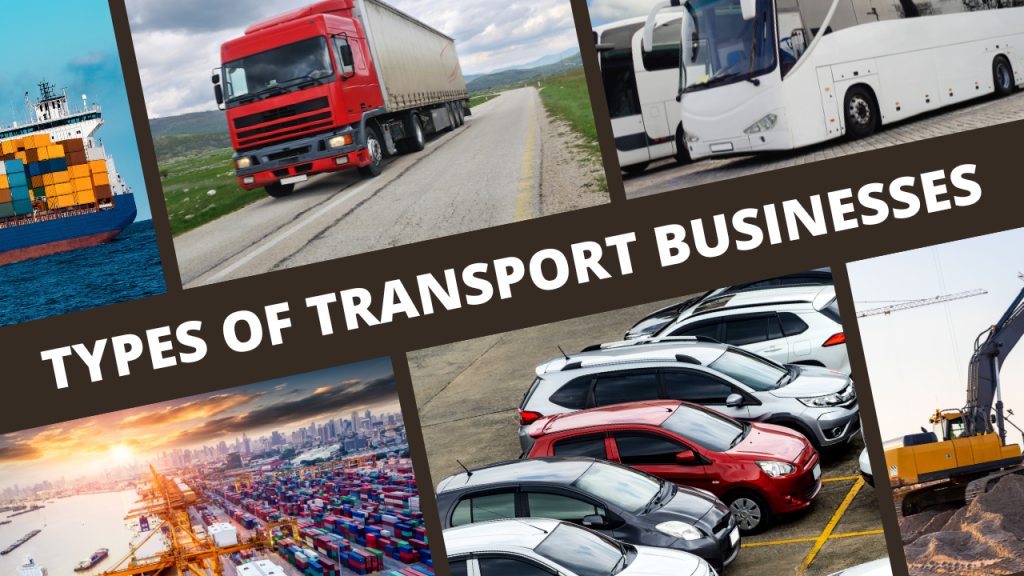
When planning your transport business, it’s essential to define your niche and target market. Popular transport business models include:
- Passenger Transport – Taxi services, ride-hailing, chauffeur services
- Car Rental Services – Standard, luxury, and commercial rentals
- Motorcycle Rental Services – Short-term and long-term leasing
- Refrigerated Transport – Cold chain logistics for perishable goods
- Petroleum Transport – Fuel and gas distribution services
- Cargo Transport – Light and heavy truck transportation
- Heavy Machinery Rental & Transport – Equipment and construction transport
- Water Transport Services – Marine cargo and passenger transport
Documents Required for a Transport Business License in Dubai
To obtain a transport company license, you will need the following documents:
- Business Plan – Outlining your transport services and operational details
- Passport Copy – For the business owner and shareholders
- Visa Copy – For the business owner and shareholders
- Company Name Options – A list of potential names for trade name registration
- Lease Agreement – For a physical or virtual office space
Additional Documents for Application Submission:
- Personal details of all stakeholders and managers
- Proof of trade name reservation
- Initial business activity approval from authorities
- Notarized Memorandum of Association (MOA)
- Visa procurement documents
Starting a transport company in Dubai requires strategic planning, compliance with regulatory requirements, and proper licensing. LFL International Group offers expert assistance to simplify the process and ensure a hassle-free business setup.
LFL Group: Your Partner in Transport Business Setup
Setting up a transport business in Dubai can be a complex undertaking. LFL Group offers comprehensive business setup services designed to simplify the process and ensure a smooth launch for your venture. Our tailored services include:
- Expert Business Consulting: We provide expert guidance on selecting the optimal business structure, defining your target market, and developing a robust business plan.
- Comprehensive Documentation Assistance: We assist with preparing and processing all necessary documents, including trade name reservation, MoA drafting, and visa applications.
- Streamlined Licensing and Permits: We handle the application process for all required licenses and permits from the DED and RTA, ensuring full compliance with all regulations.
- RTA Compliance Support: We guide you through the RTA’s requirements for vehicle registration, driver permits, and operating permits, simplifying this often complex process.
- Banking and Insurance Facilitation: We assist in opening corporate bank accounts and help you secure the necessary insurance coverage for your vehicles, employees, and cargo.
- Ongoing Business Support: We provide continuous support to ensure your business remains compliant with all regulations and operates efficiently.
Get in touch with LFL Group to navigate the complexities of setting up your transport business in Dubai. Our expertise and comprehensive services allow you to focus on building your business while we handle the administrative and regulatory hurdles. Contact us today to discuss your business vision and embark on the road to success in Dubai’s thriving transport sector.